Turning Ambiguous Opportunity Spaces into Scalable Capabilities
-
A newly formed 60-person team inherited inconsistent onboarding practices, scattered knowledge, and no shared model for building critical skills. I turned that ambiguity into a gamified, repeatable onboarding program that accelerated proficiency, increased engagement, and sparked demand and adoption across the organization.
-
This was more than an onboarding problem. After a merger, three different teams were brought together with different norms, resources, and ways of ramping people up. Knowledge lived across Confluence, SharePoint, and individual desktops, making it difficult for new hires to build confidence quickly or understand how to navigate the organization effectively.
The opportunity was not just to improve orientation, but to test whether onboarding could become a scalable capability that helped people become productive, connected, and confident faster.
-
Identifying the root breakdown in the onboarding experience after the merger. Reframing onboarding as a capability-building opportunity rather than a one-time program. Designing and testing a repeatable onboarding model that could build skills, connection and momentum quickly. Aligning leadership around a proof of concept that could scale across additional teams. Creating feedback loops to measure effectiveness and support iteration.
How I Approached It

-
I identified onboarding as one of the clearest pain points created by the merger and reframed it from a procedural orientation issue into a business capability problem: how might we help new hires become productive, connected, and confident quickly in a way that could scale?
-
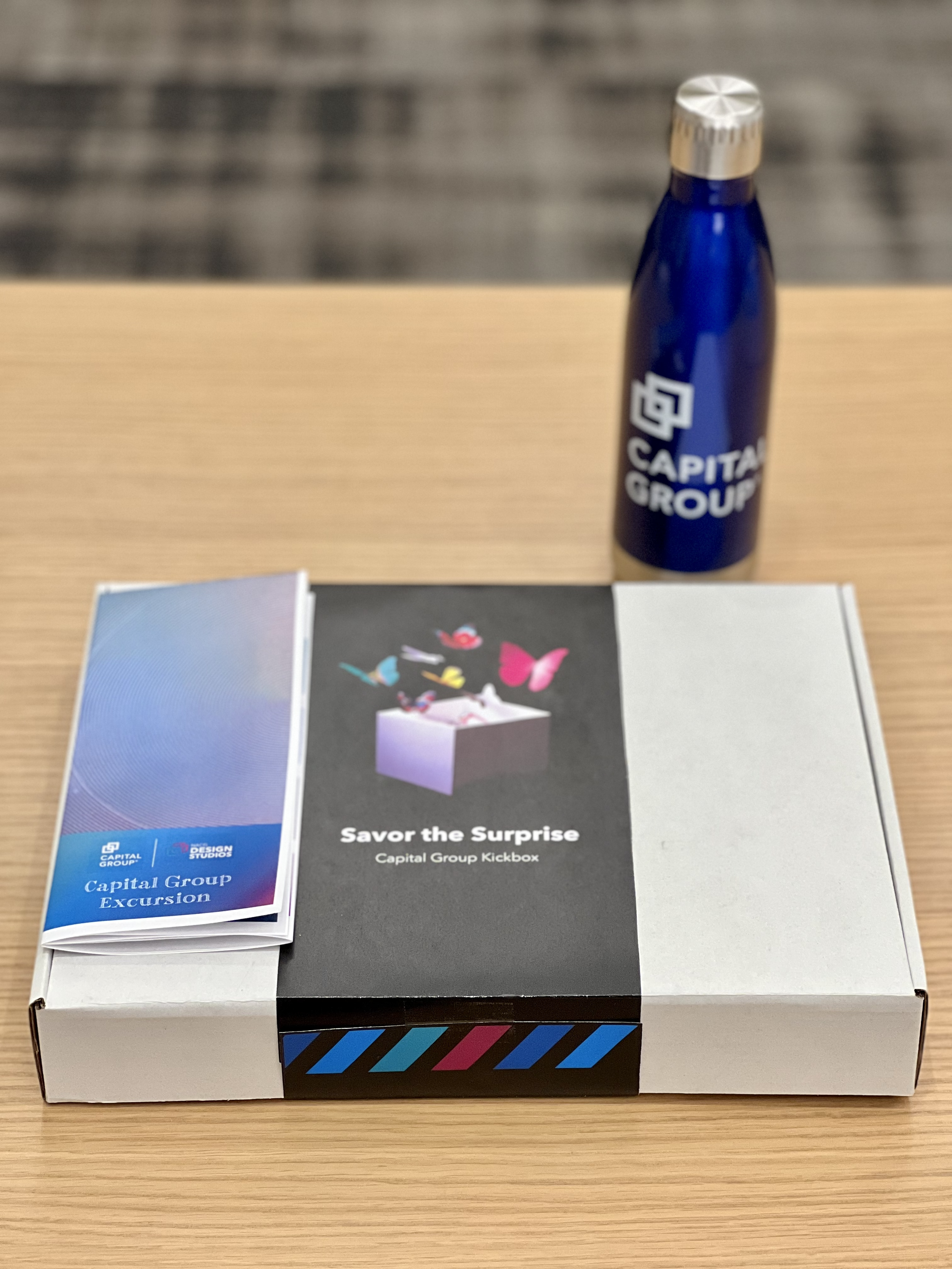
I researched innovation models, including Adobe Kickbox, and adapted that structure into an “onboarding-in-a-box” concept. This allowed me to design a repeatable experience with clear learning objectives, visible progress, and a format that could be reused beyond the initial cohort.
-
I created a week-long onboarding journey that combined team connection, innovation education, design thinking, product and agile training, and a final capstone experience around AI enablement. The goal was not just information transfer, but meaningful activation.
-
To make the experience feel immersive rather than procedural, I mapped the journey to Joseph Campbell’s Hero’s Journey. I also incorporated public recognition, shared rituals, and a leaderboard so progress felt visible and energizing.
-
I built feedback into the experience through micro-surveys, NPS checkpoints, and other real-time signals so the program could be improved and validated as more than a well-designed experience. It could become a scalable model.
Outcomes

-
The initial proof of concept created enough visible value that six other managers expressed interest in bringing the onboarding model to their own teams. This signaled that the work had moved beyond a one-time success into something the organization saw as reusable.
-
All seven new hires became proficient in critical skills and methodologies in less than one week. This showed that a more structured, immersive onboarding approach could accelerate readiness far more effectively than fragmented self-service materials.
-
The onboarding experience achieved a World Class NPS rating, validating that the model was not only effective operationally, but also highly engaging for participants.
-
The model was later adopted by Capital’s DE&I communities for internal training, along with Capital’s HR teams, extending the value of the work beyond the original onboarding use case and reinforcing its potential as a broader organizational capability.